Perfect perennials
Garden designer Kirsty Mclean chooses her favourites . . .
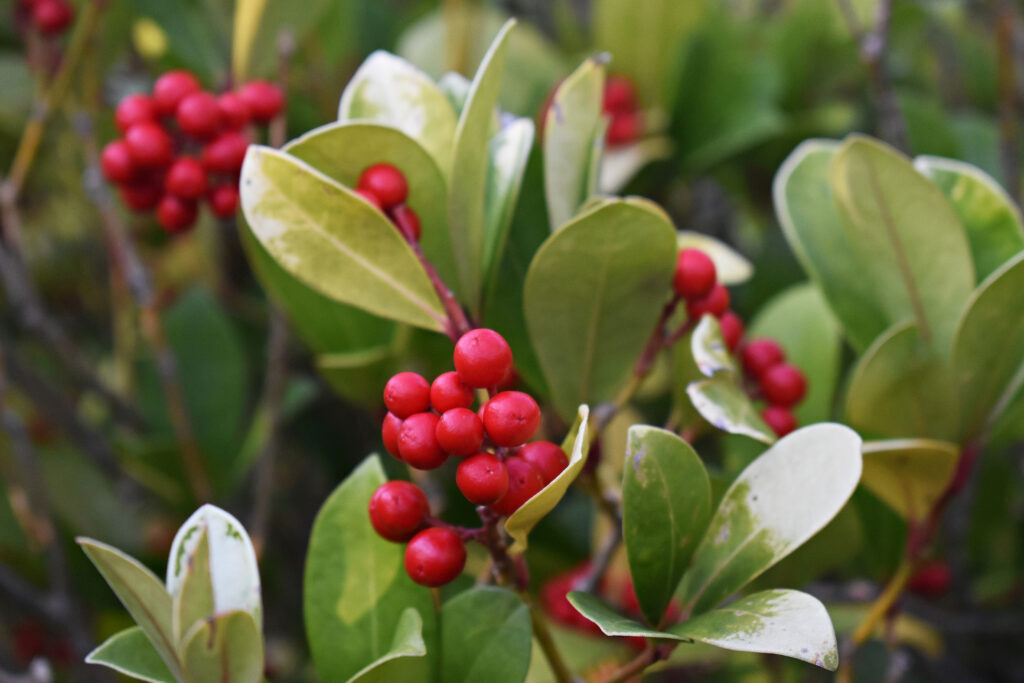
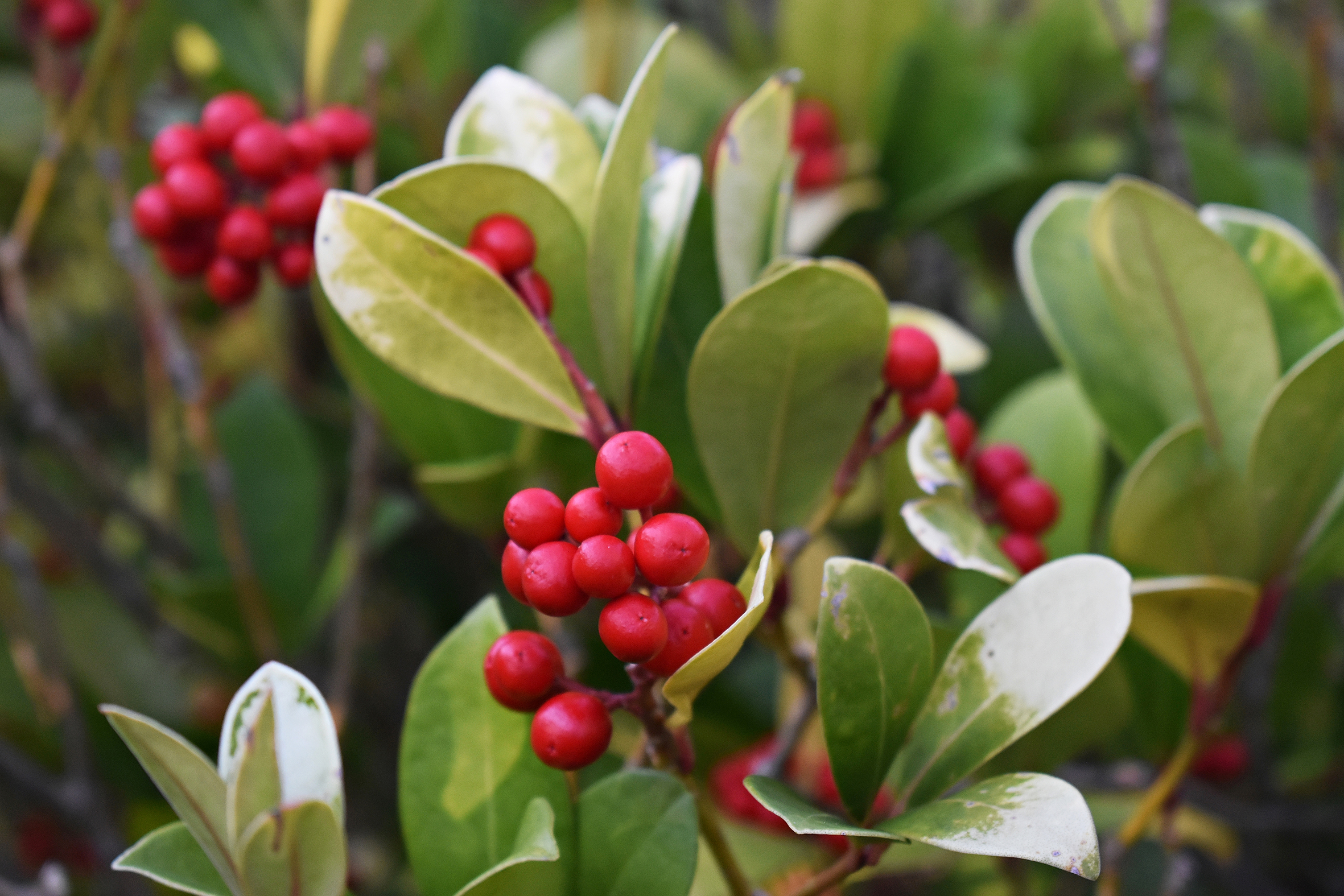
Gaultheria Procumbens with red berries, in the garden.
Perennial plants are plants that die back seasonally and usually live for three years or more, getting bigger each year. They bring vibrance to our borders and come in every form, texture and colour imaginable.
There are however, some particular perennials that stand out from the crowd more than others – here are some of my favourites.
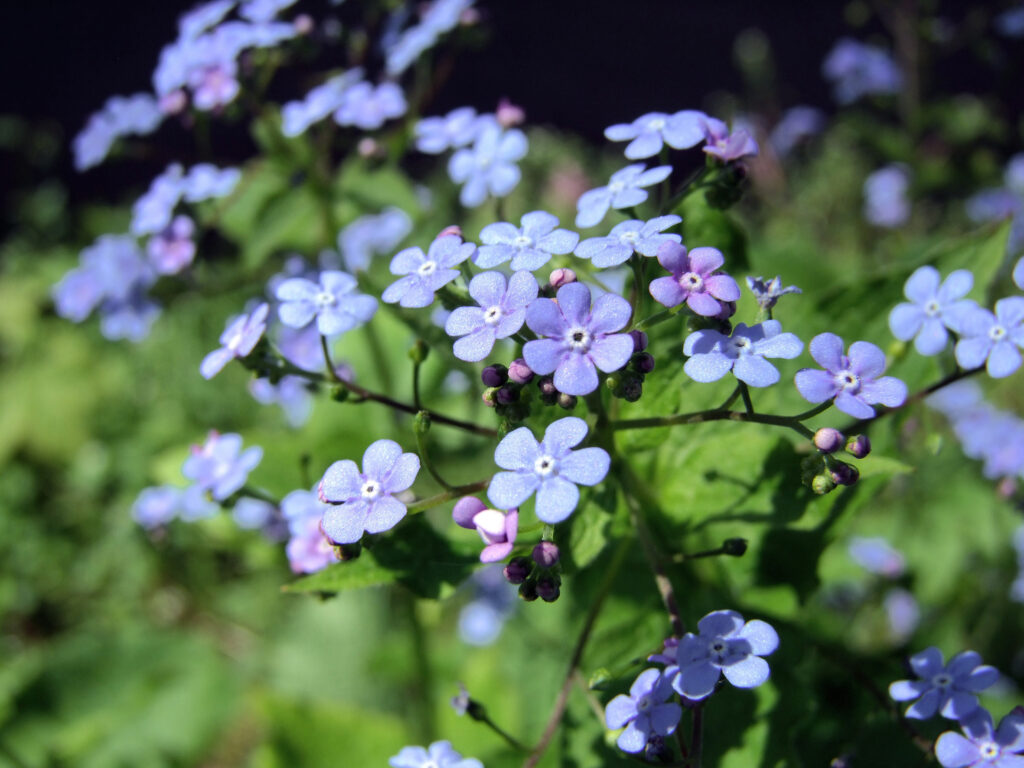
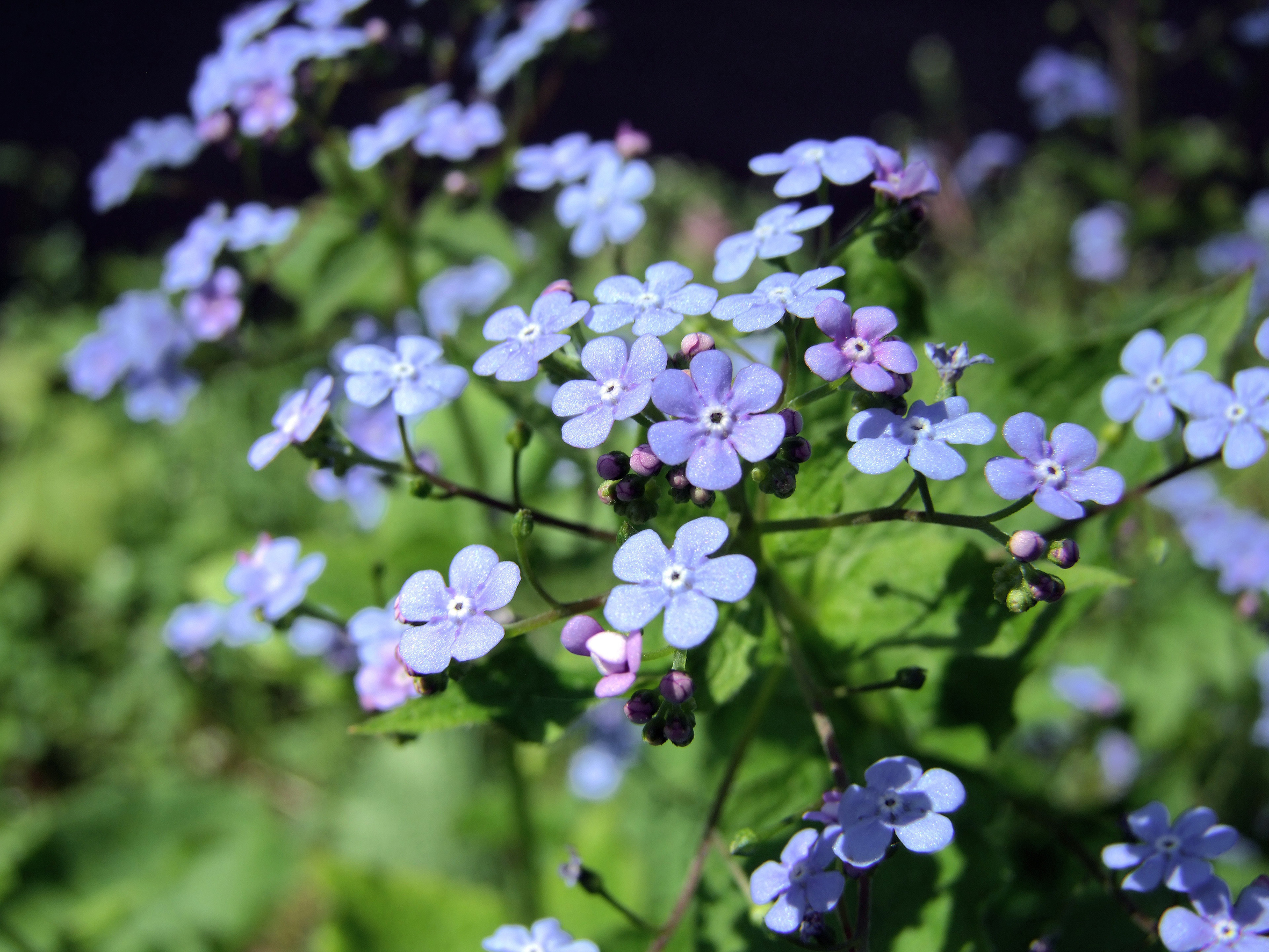
For an early splash of colour and impact in the border you cannot go wrong with the incredible, super-sized, silver-veined leaf of Brunnera macrophylla such as ‘Alexander the Great’ and it’s contrasting blue flower in early spring (April to May). A valuable plant for growing in shady moist parts of the garden. If you want a more compact leaf, try ‘Jack Frost’.
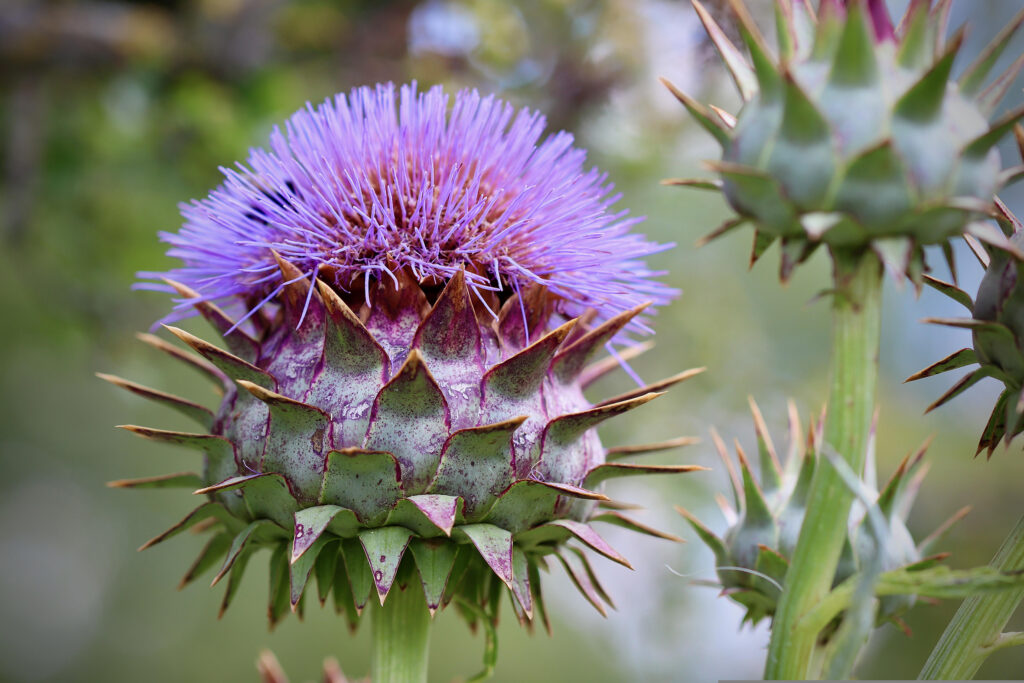
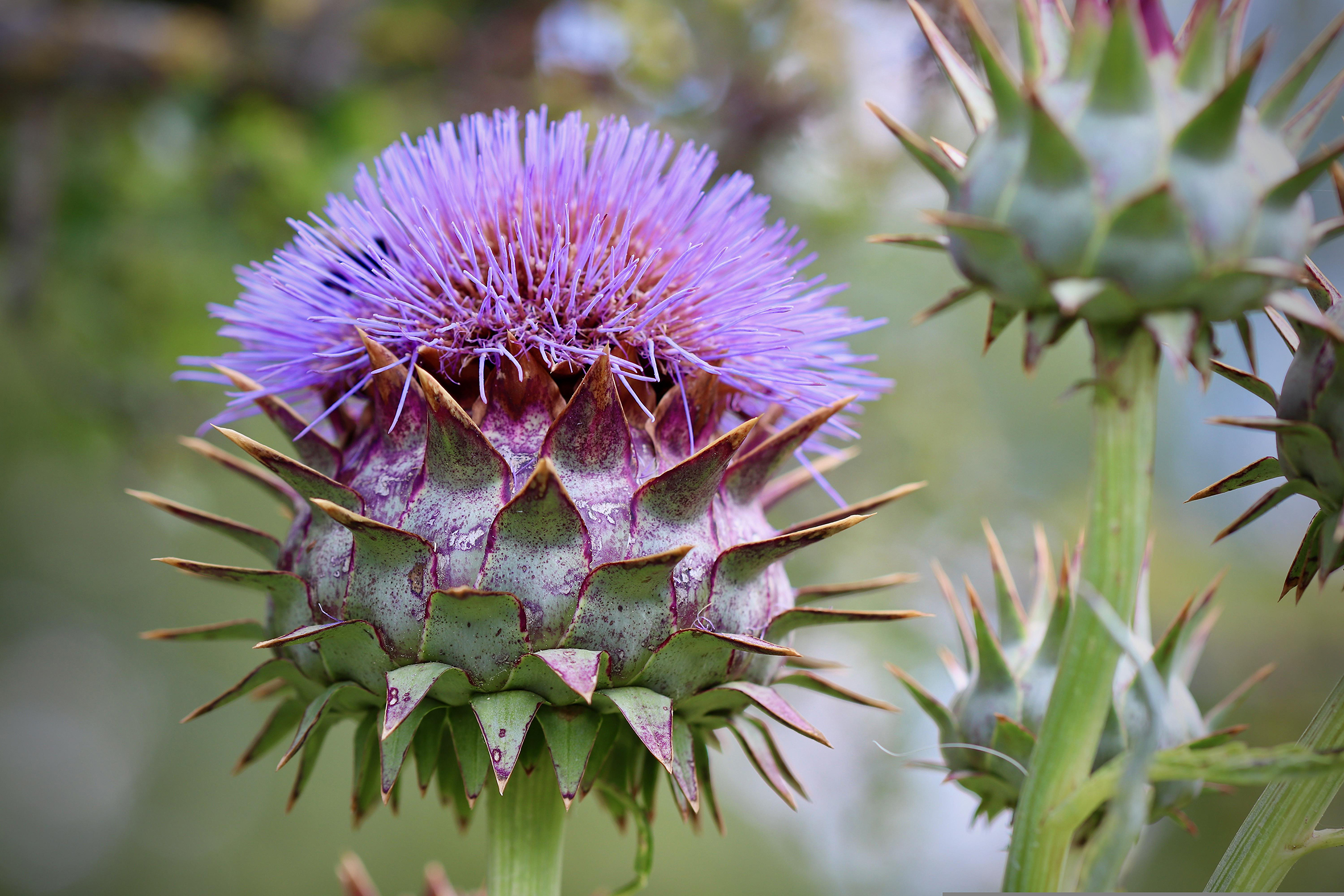
For a dramatic addition to the border, Cardoon (Cynara cardunculus) is hard to beat. 1m high, silvery grey leaf with a purple thistle-like flower in late summer/early autumn you simply cannot pass over this plant.
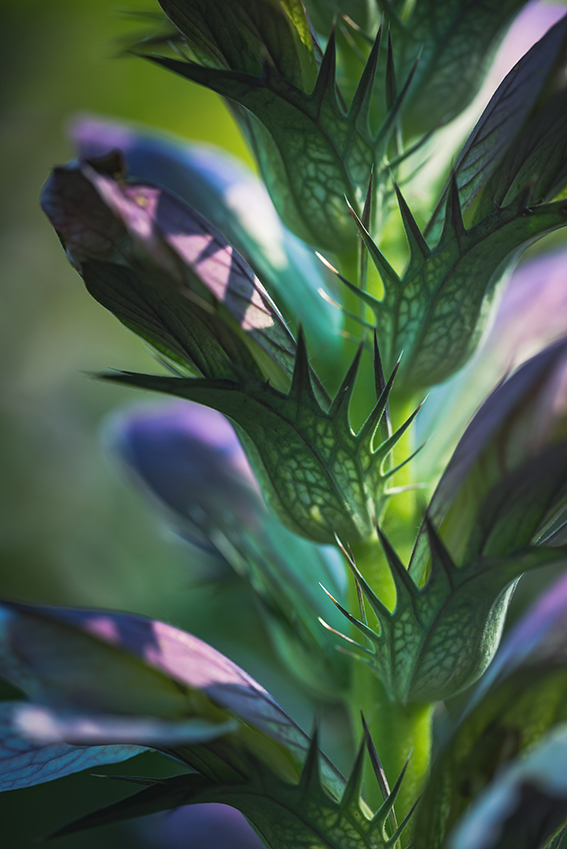
Just as fascinating is the architectural Acanthus spinosus. Standing at 1.5m high and with a spread of approximately 90 cm this slightly thuggish plant cannot be ignored. It will be happy in full sun or partial shade. Its enormous glossy deeply lobed leaves are clothed in white flowers with deep purple/green hoods or hats that appear in July to September. Bees love the flowers and they are also great for flower arrangements.
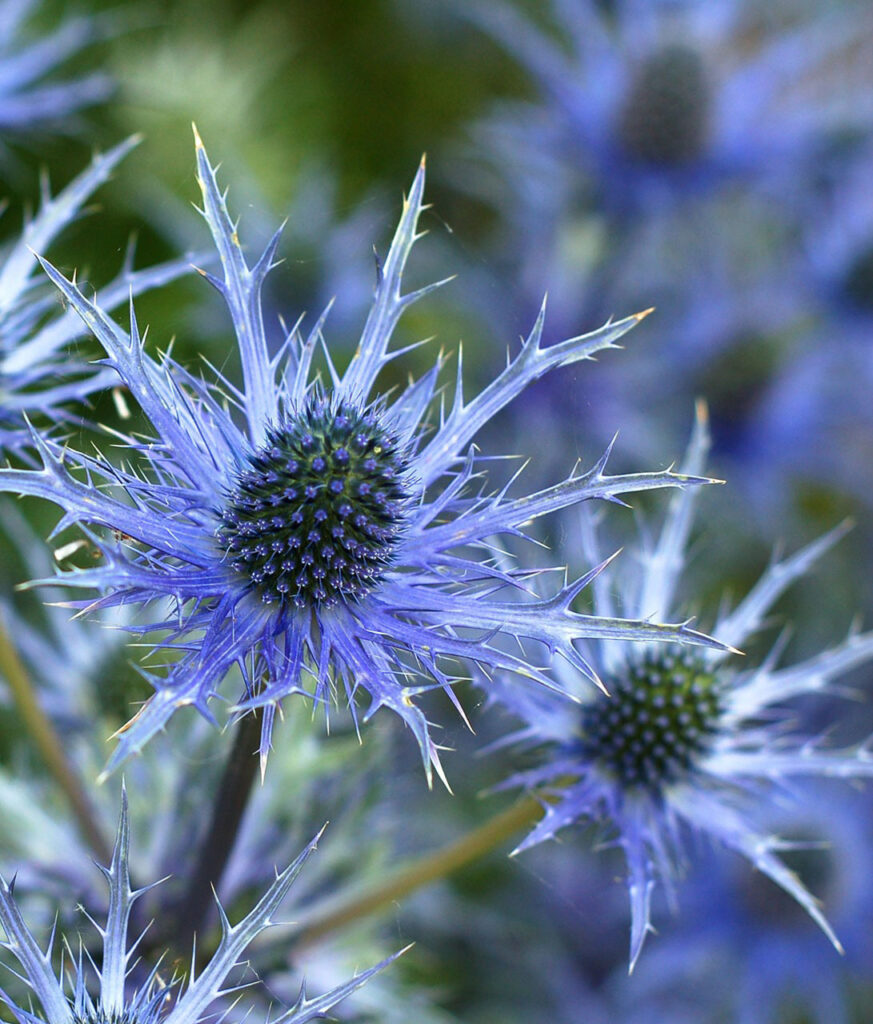
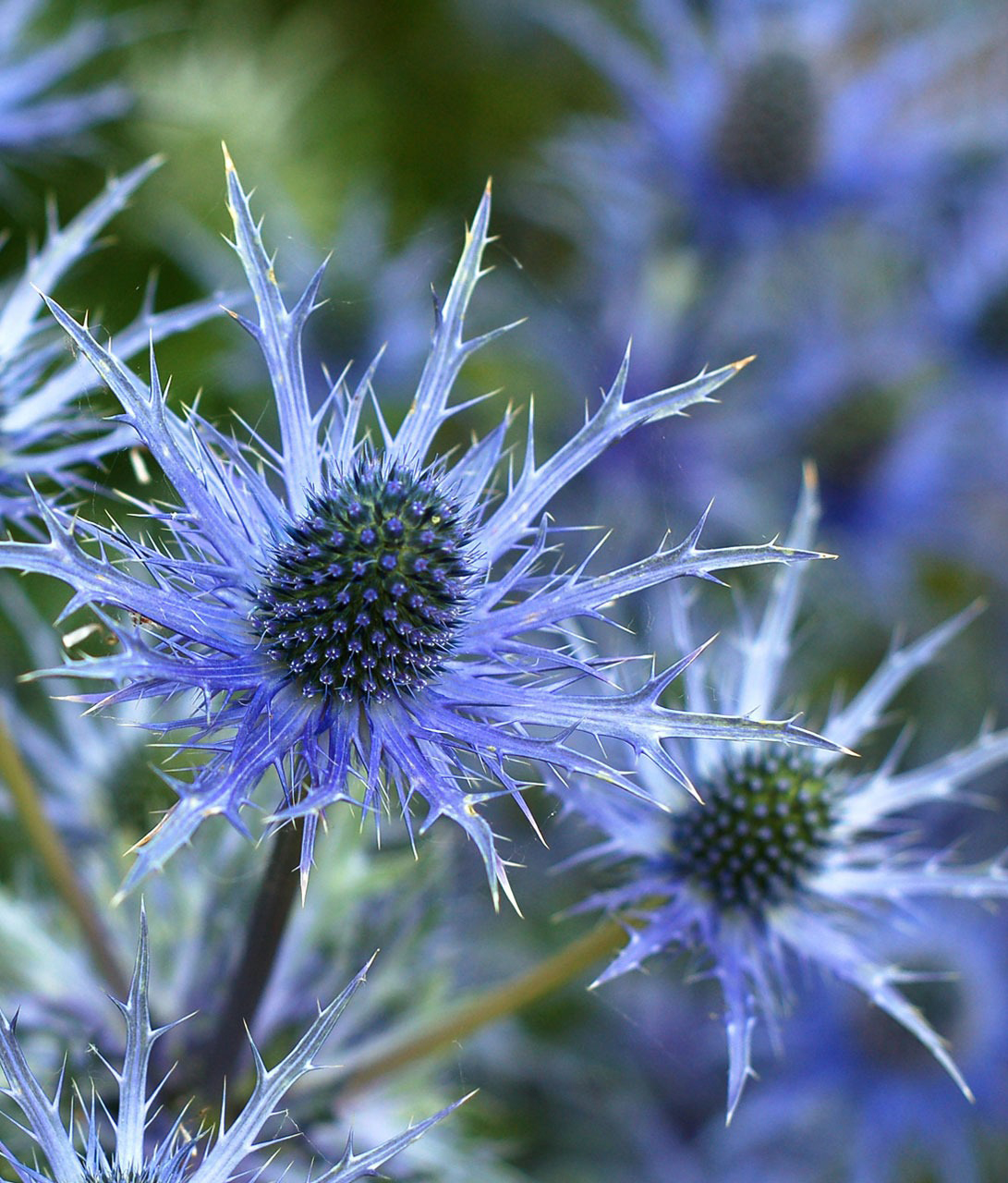
Prized for its electric blue flower head, Eryngium, otherwise known as sea holly, comes in many varieties. Zabelii Big Blue stands at 70 cm high x 60 cm wide and adds zing to the border with its huge blue cones surrounded by a long spiky silvery ruff. Find a sunny spot for this one.
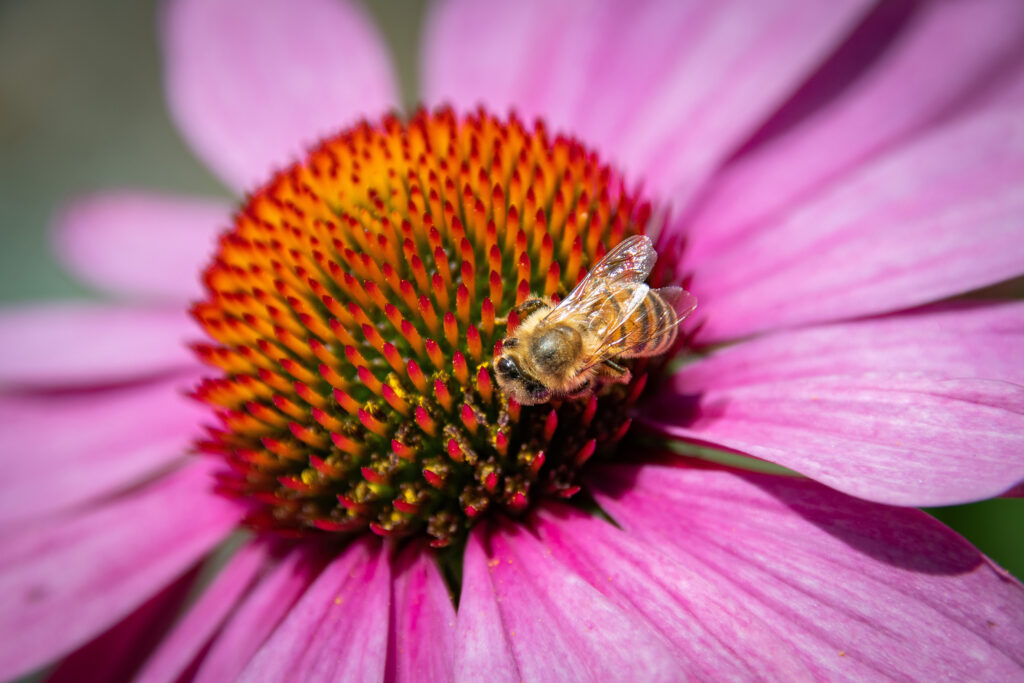
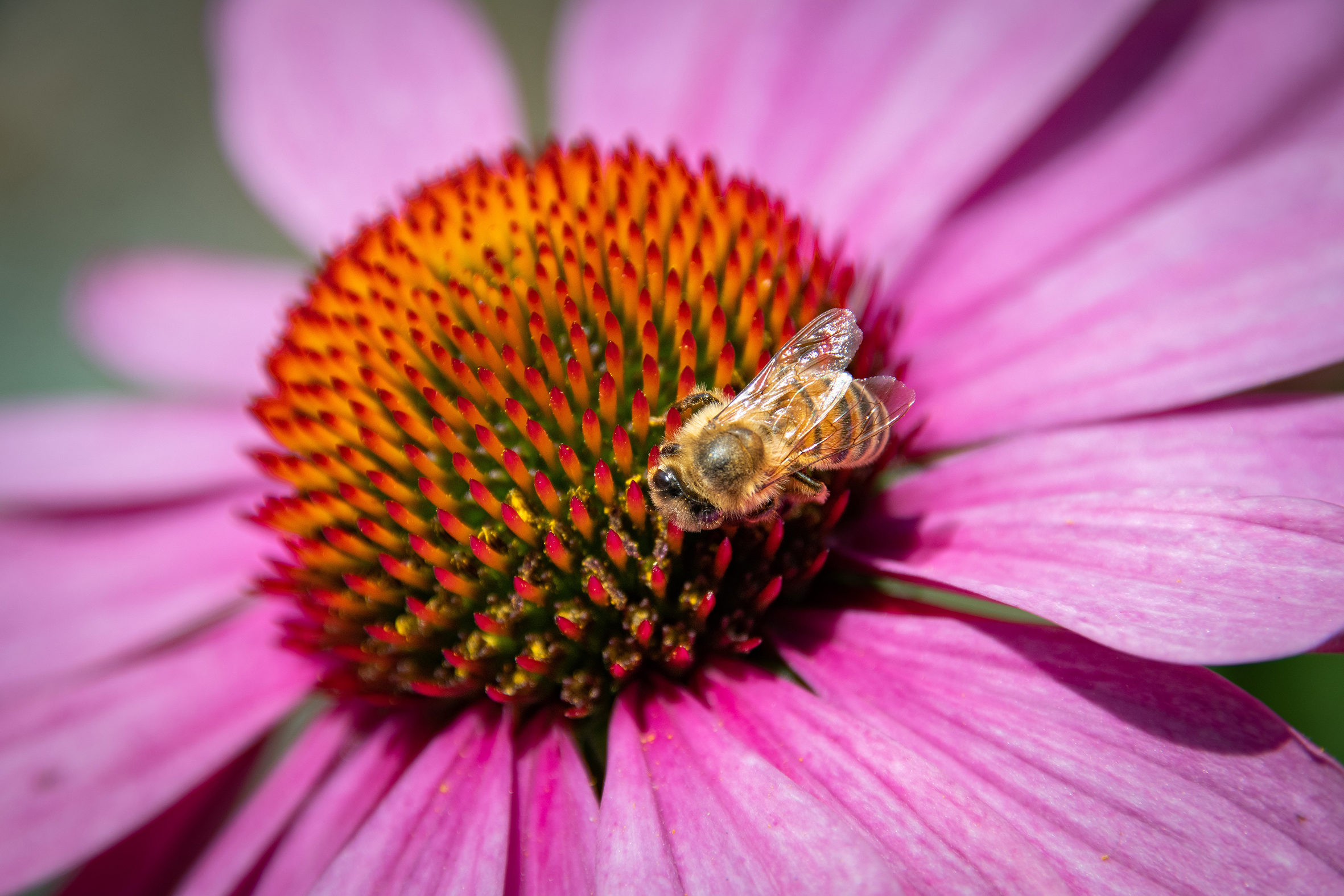
Eye-catching Echinacea purpurea ‘Ruby Giant’, the purple coneflower, is simply joyous in a border, with its profusion of huge, fragrant flowers that are like a frilly collar around a deep pink cone. They love the sunshine and their flower heads can reach a whopping 10 cm diameter when they bloom in July to September. There are shorter varieties such as Magnus if you want something more compact. Deadhead the flowers as they fade to encourage more to form but leave the seedheads in autumn for the birds and cut them back the following spring.
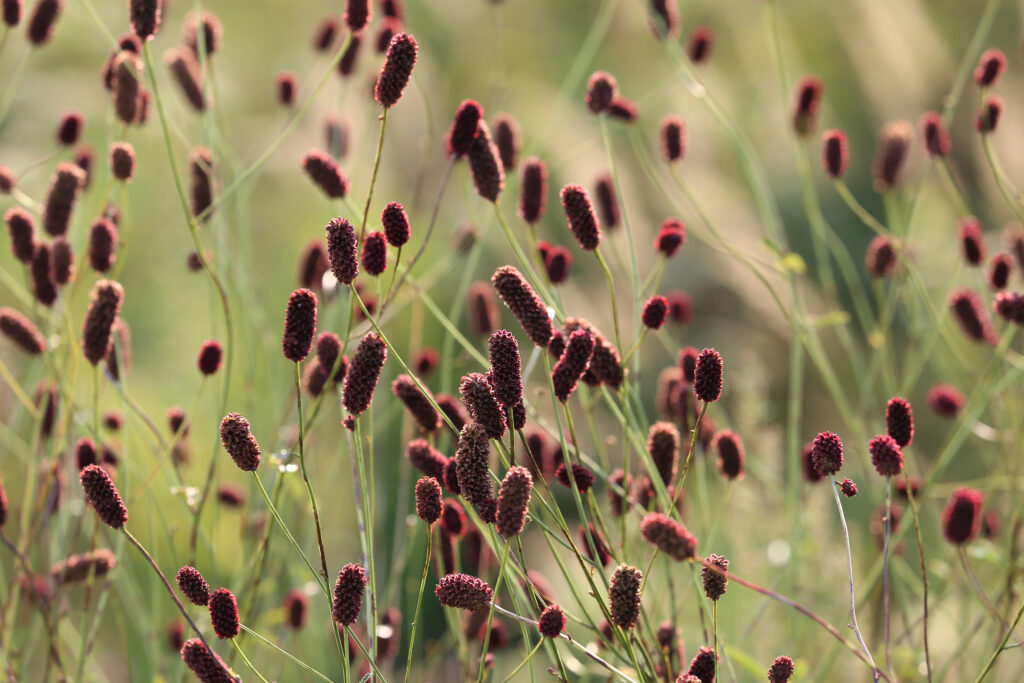
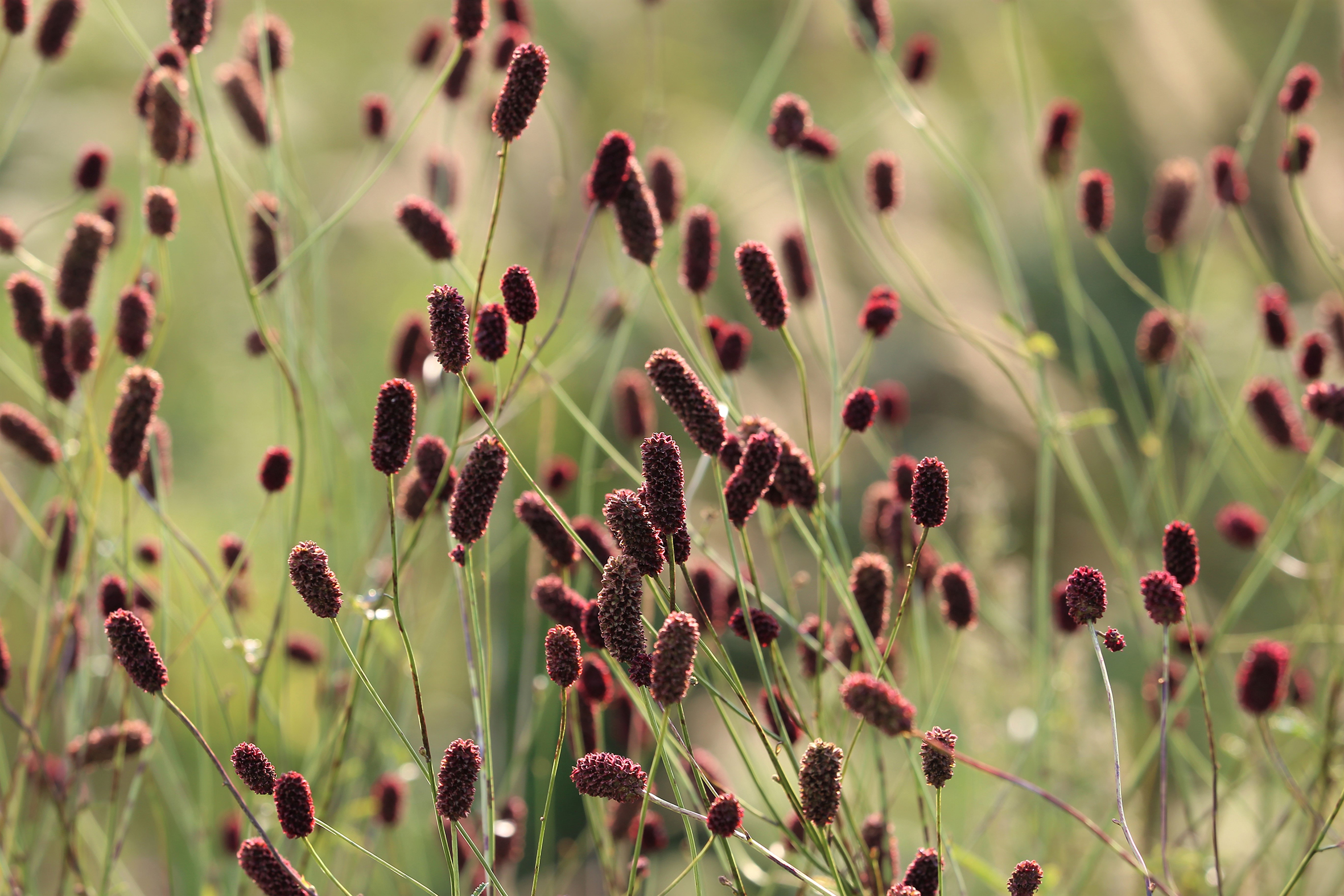
I love the free-flowering deep burgundy flower of Sanguisorba ‘Tanna’ Burnet against the copper of grasses such as Testacea. This interesting, almost rush-like headed plant loves full sun or partial shade and flowers happily from June to September reaching approximately 50 cm high with a spread of around 40 cm.
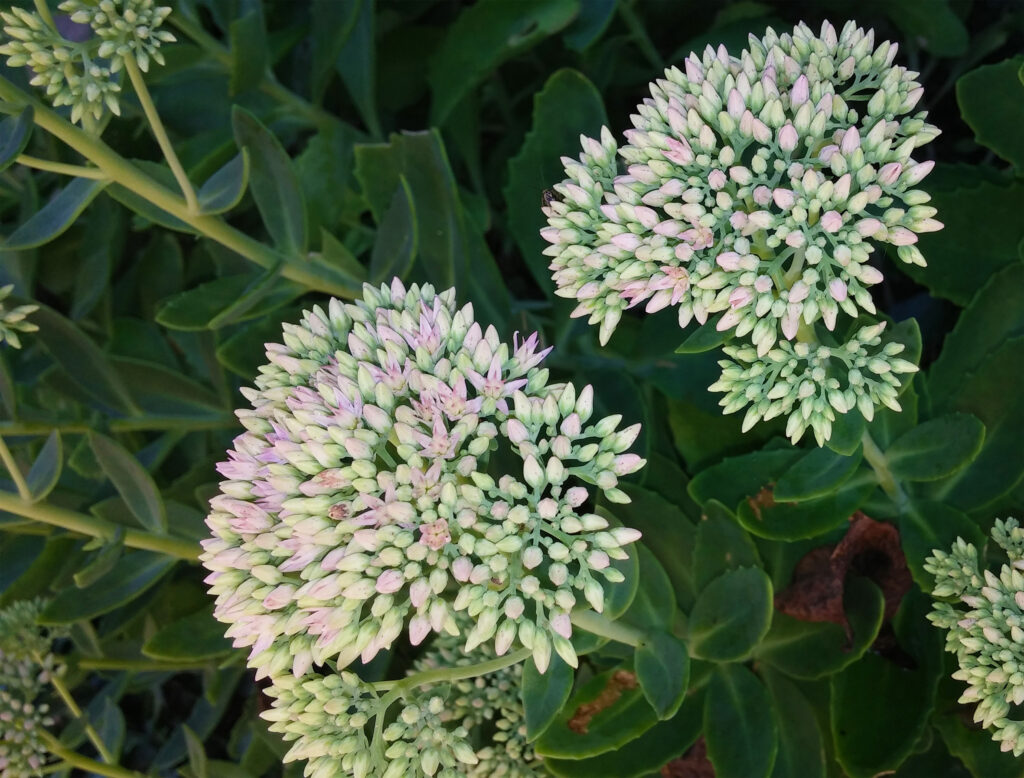
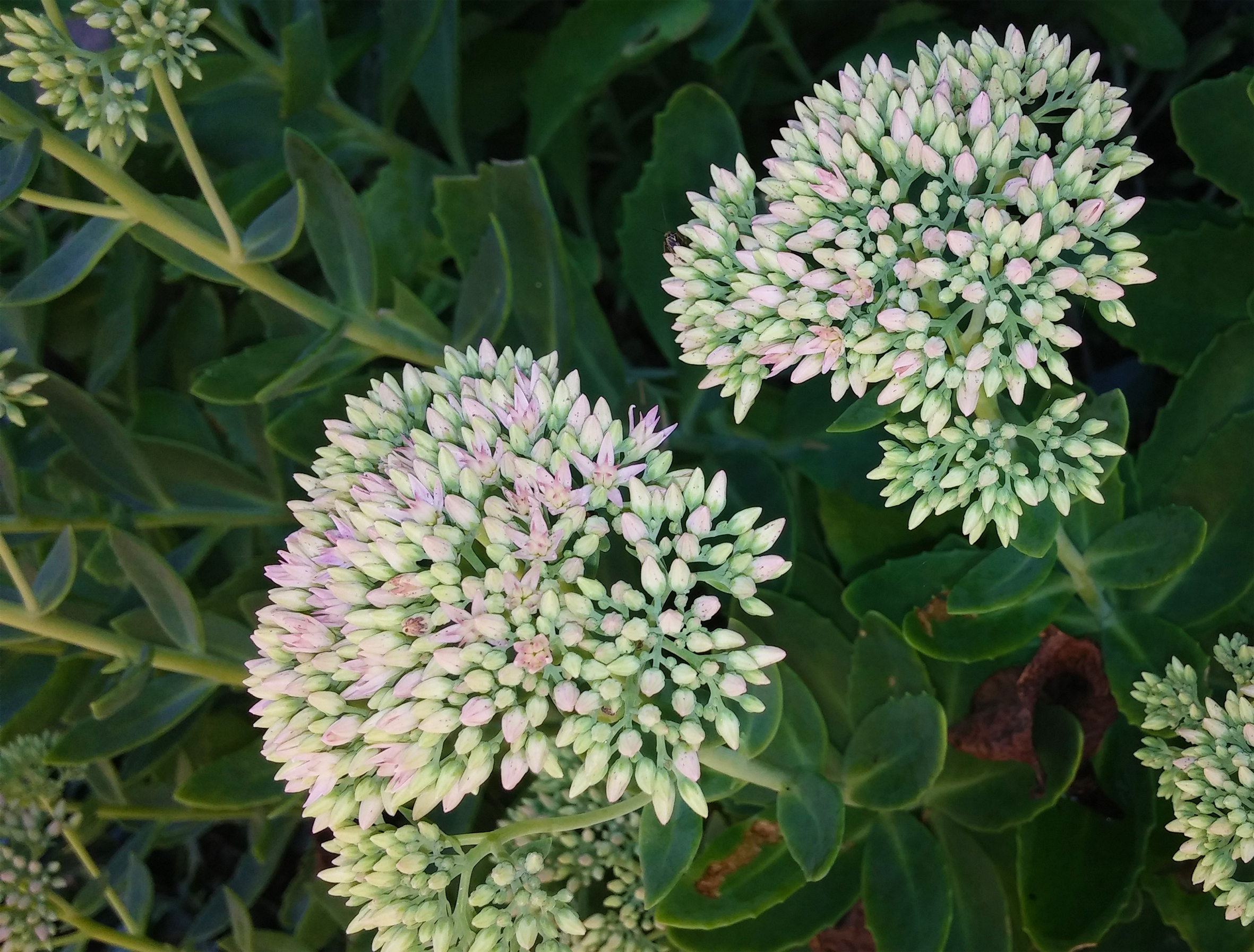
Autumn flowering Hylotelephium Spectabile Sedum Autumn Joy has the most wonderful succulent leaves that capture droplets of water on the surface, turning the water into something that resembles the clearest crystal. Happiest in full sun, this clump-forming perennial grows to approximately 60 cm high with large heads of small star-shaped flowers that open from greenish-pink buds that become pale pink, then deep pink, and finally turning to ochre brown. Bees love them!
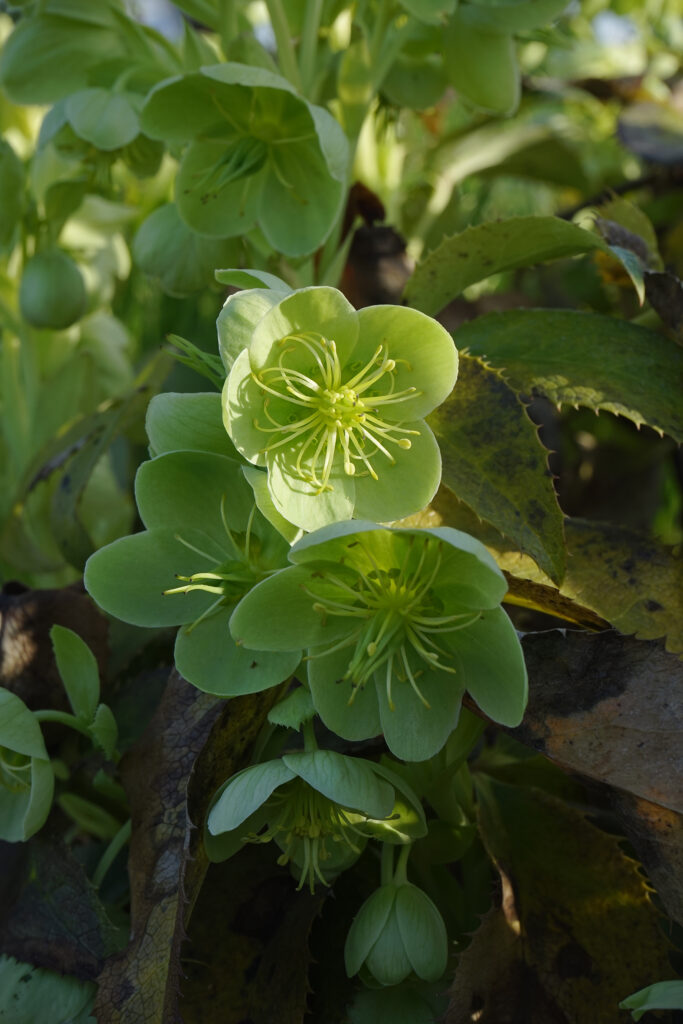
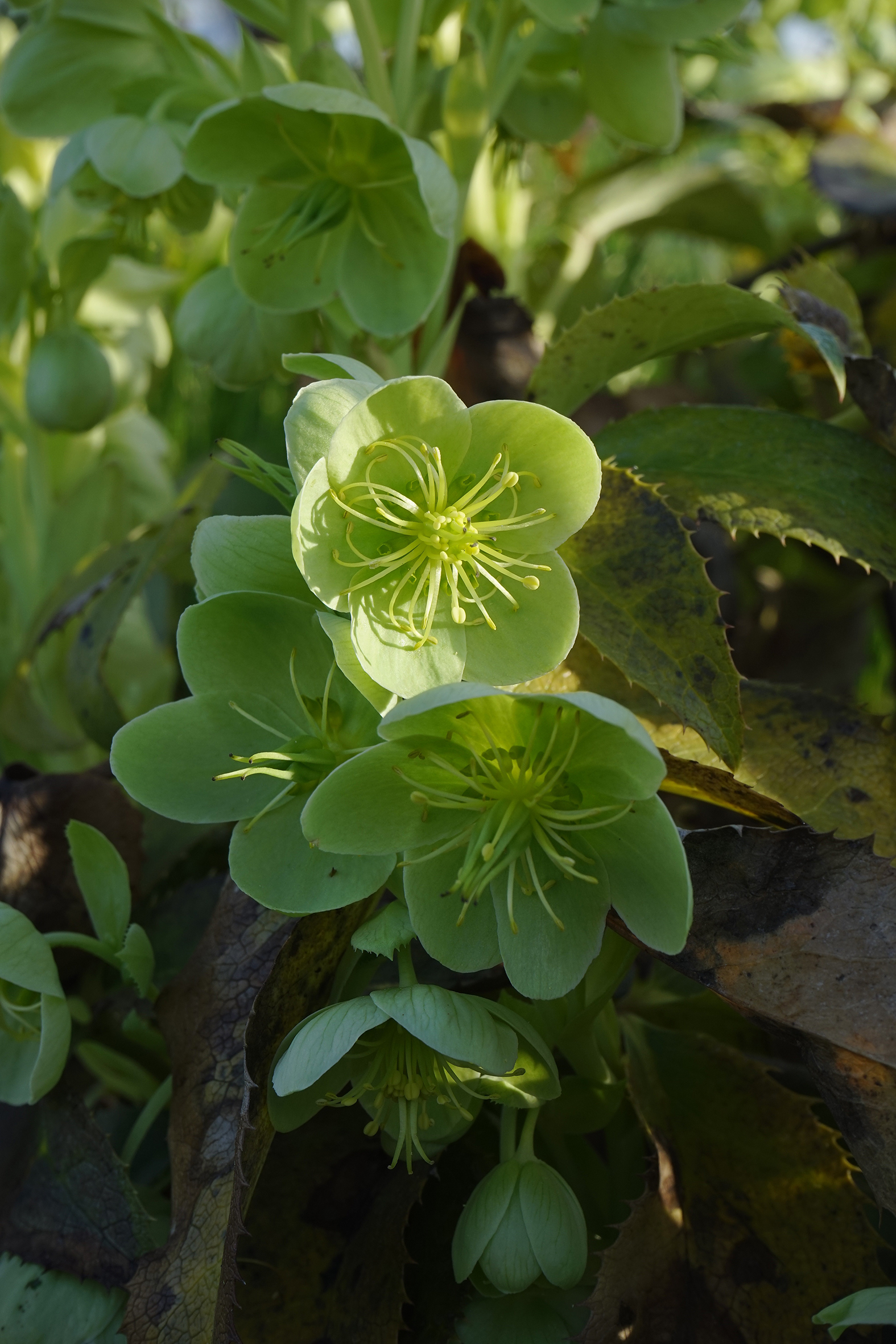
Flowering very late in the season Helleborus Argutifolius flowers in late winter and into early spring. It’s nodding pale green bowl-shaped pendent flowers with prickly-edged dark green leaves stand about 50 cm tall and light up the border at a dull time of year in full sun or
partial shade.
Gaultheria procumbens (checkerberry) makes a wonderful bed partner with its contrasting red berries and deep red, winter foliage which looks stunning against the pale green flowers of the Hellebore.
Perennials are pretty undemanding plants. Give them a trim after flowering finishes in autumn, but leave some stems over winter to provide homes and food for wildlife and cut back the following spring.