“This was not the start of a short trip. It was the beginning of a one-way journey to start a new life. Life on a leper colony. Life on Spinalonga.”
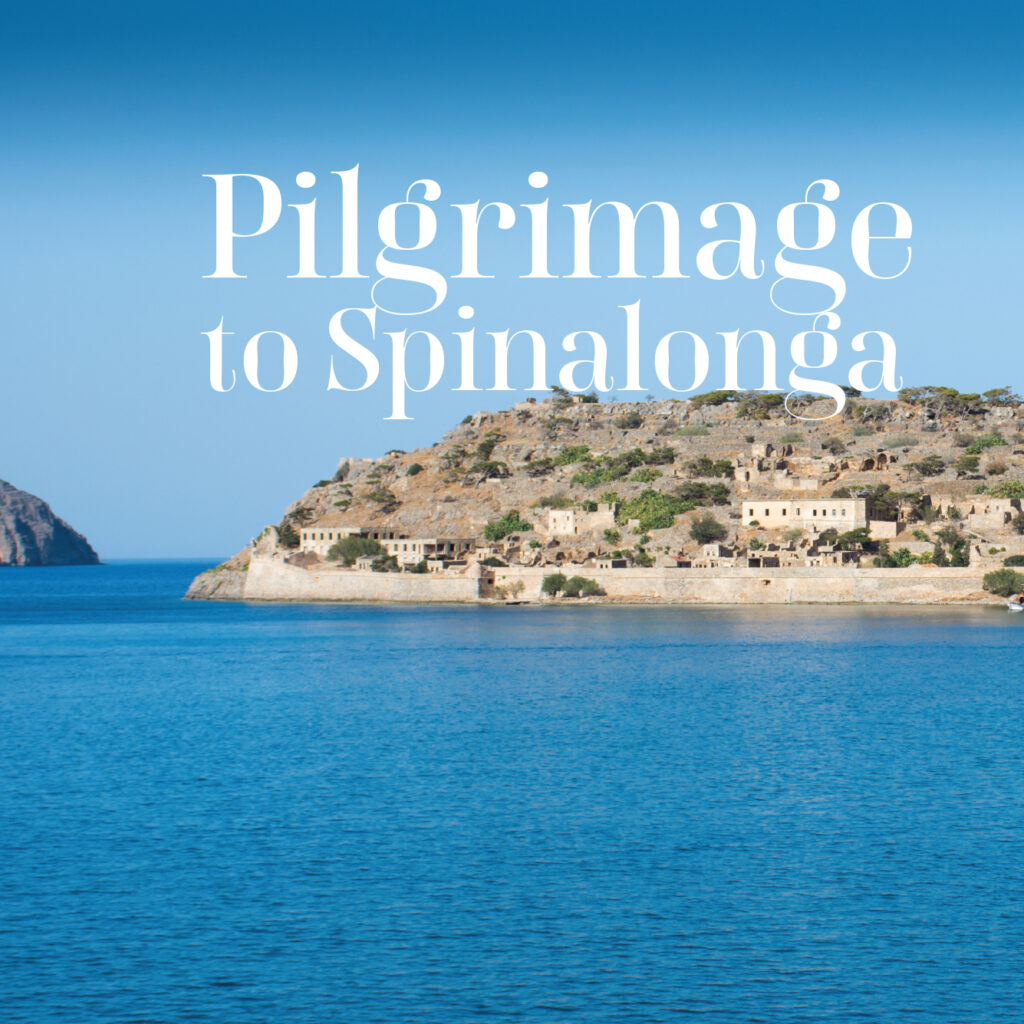
You may recognise these poignant words penned by Victoria Hislop in her debut novel, The Island. The former travel journalist was inspired to write her first novel when she visited Spinalonga in 2001, and The Island went on to sell more than six million copies around the world. Found off the north coast of Crete, Spinalonga which is officially known as Kalydon, was Greece’s main leper colony from 1903 until 1957. Hundreds of people were sent to the island with what was then an incurable disease, separated from their families and all that was familiar. And yet Hislop captured a quiet hope on Spinalonga, which was once a 16 th century Venetian fortress. Far from been a place of exile, inhabitants had no choice but to carve out a life within a tight knit community. From the church to the hospital, Hislop’s fictional tale embodies all that Spinalonga once was through the moving journey of school teacher Elena, who was forced to leave her young daughters behind following her diagnosis of leprosy.
Thousands of people have since followed in the heroine’s footsteps by making the short boat journey to the island each year. And so, to Crete for Spinalonga continues to beat with the heartfelt echoes of the past. The island opens daily from the 1 st of April, and we would highly recommend visiting in spring so as to avoid the intense crowds of the summer months. You can take a short ferry ride from Plaka, Elounda or Agios Nikolaos in order to reach Spinalonga. Many of the boats are small traditional fishing vessels, reminiscent of those which carried passengers destined to live out their days there.
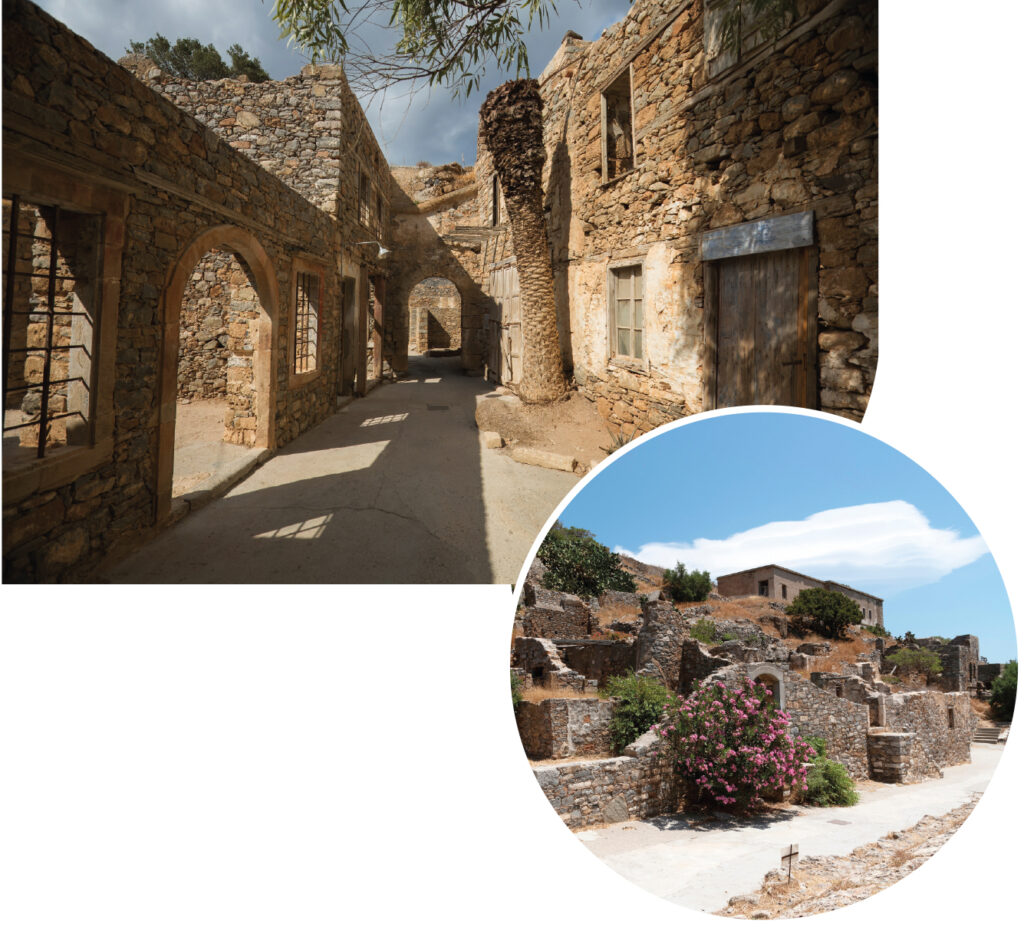
There are numerous tours available, but we’d recommend exploring Spinalonga at your own pace. This will enable you to visit spots of particular significance without feeling rushed, starting with the main entrance. Known as Dante’s Gate, the low-ceilinged tunnel is directly across from the jetty. Pause for a moment and imagine how the short walk would have felt for those arriving on Spinalonga, knowing they were never to leave unless a cure for leprosy was found. Having walked through the tunnel, you’ll come to the market square which would once have been at the heart of the community. Alleyways lead off
into the residential areas, and some of the houses have been sympathetically restored to give an insight into life on the island – both during the leper colony era and the Ottoman occupation.
You’ll find mini museums alongside photo exhibitions, followed by the understated beauty of the island’s two churches. Agios Georgios Spinalonga and the church of Agios Panteleimon are occasionally open to visitors, and you can take a brief moment of reflection within the ancient walls. Much of Spinalonga, including the island’s hospital, lies in ruins, but a major restoration project is currently underway to preserve the site for generations to come.
The circular route of Spinalonga only takes an hour, but wear comfortable shoes as there is a steep climb to the upper bastion. From this vantage point you’ll be rewarded with stunning views of the sea as you peep through the loopholes. There’s many a narrow street to wander down, and facilities on the
island include toilets and a café. Entrance fee is separate from your boat fare, but the entire excursion should normally come in at just under forty euros depending where you pick up the boat. A visit to a former leper colony may sound ghoulish, but Spinalonga serves as a stunning piece of living history. And if you find time to read The Island prior to your visit, you may well experience Spinalonga through Elena’s eyes. A place of great sorrow, but also of hope and redemption. Let us know how you get on.