Scotland; such a beautiful and complex country where climate variation from region to region is considerable and weather conditions have such a huge bearing on what can be grown. The mountainous areas of Scotland are colder, wetter and windier than the low-lying areas and inland areas tend to be colder than coastal areas.
Even two gardens on the same street, just metres apart, will experience complexities that make growing conditions significantly different but in the main, coldness, wind exposure and drainage are the three main factors that are likely to affect plant hardiness.
Part of the solution to the success of growing is undoubtedly down to choosing native species. Scotland’s unique geography, evolution and varied weather conditions have produced eco systems with more diverse and resilient plants than our neighbours in England. Most of our native tree and shrub species colonised Scotland after the last Ice Age (which ended roughly 9,000 years ago), with seeds dispersed by wind, water, and animals.
Equally important is the provenance of the seed. Local seed and plant sources have adapted to the specific soil, climate, and pest conditions of a particular area over time so it’s not necessarily just about the species you choose. Sometimes a plant grown in the relatively mild climate of southern England may not adapt well to the shock of the temperatures and climate of North East Scotland.
Trees, shrubs and plants from a known local provenance are more likely to survive and thrive, contributing to a healthier and more resilient ecosystem and reducing the risk of introducing pests, diseases or invasive species that may not be adapted to the area. Maintaining local genetic diversity is important for long-term adaptation to changing environmental conditions and all of this is vital to supporting local wildlife and maintaining healthy ecosystems.
However, whilst all of this is true and good for biodiversity, so is using a healthy smattering of non-
native species providing they are non-invasive, and you don’t introduce them into the wild. There are some wonderful additions to the garden that enhance biodiversity and have been here so long that they have proven their worth, and in particular, winter or early flowering trees, shrubs and plants that provide much-needed early food for insects, bees and wildlife such as single flower Hellebores, Goat Willow, Pieris Japonica, Winter flowering Honeysuckle (Lonicera x purpusii) and Mahonias to name but a few!
So which trees, plants and wildflowers are considered ‘native’ and what suits the North of Scotland? You might be surprised to learn that it’s a very long list, but here are some better-known examples:
Trees
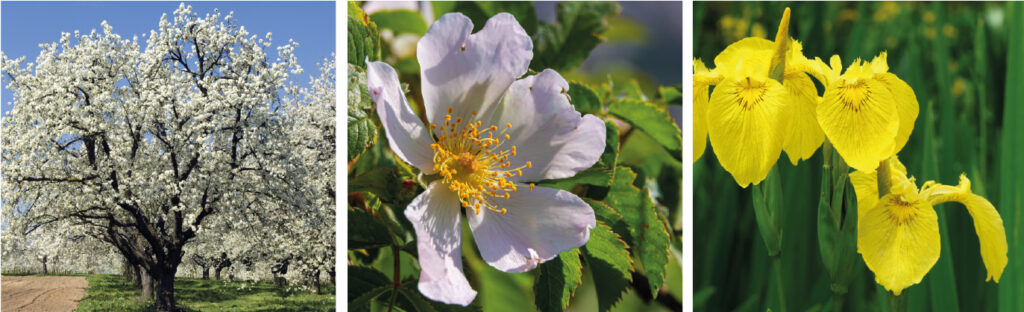
Scots Pine, Birch (downy and silver) Alder, Oak Hazel, Willow, Rowan, Aspen, Wych elm, Hawthorn, Holly, Juniper, Wild Cherry and Elder.
Shrubs
Blackthorn, Broom, Buckthorn, Honeysuckle, Wild Rose, Ivy, Berberis, Pyracantha and Vetch.
Other plants
Purple Loosestrife, Marsh Marigold, Lavender, Marjoram, Tobacco plants, Scabious, Night-scented
stocks and Yellow Flag Iris.
Wildflowers
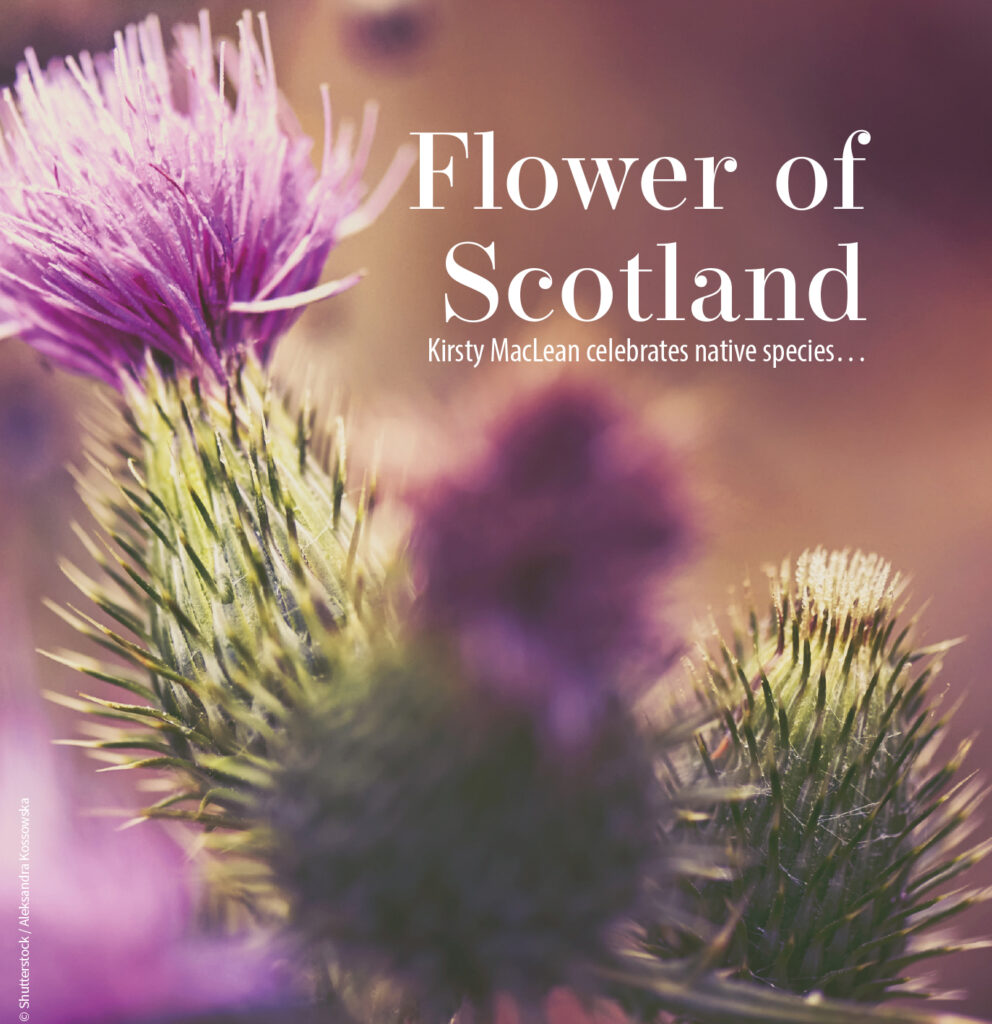
Cowslip, Ox-eye Daisy, Meadow cranesbill, Yellow Rattle, Meadow buttercup, Wallflower, Red campion, Wild Privet, Dog Rose & Holly Scottish Blue bell, Heather (Calluna vulgaris) Bog Myrtle, Scottish Primrose and Scottish Thistle.