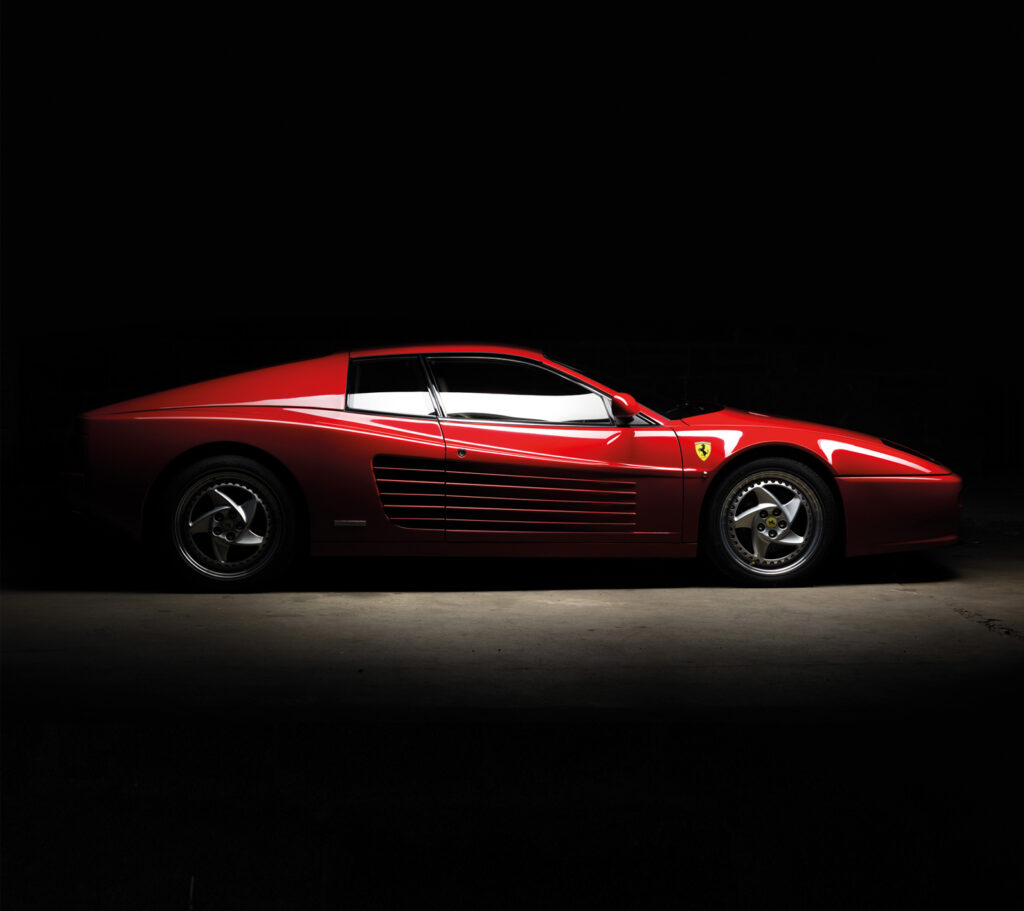
In a world of uninspiring identikit SUVs, choosing a classic car can offer an unbeatable combination of style and practicality…
New car models, especially if they are electric, have become expensive in relation to the level of performance and degree of fun they offer the driver. When a new electric Corsa comes in at over £30,00, you can buy a much more interesting and stylish vehicle for half that if you opt for a classic. After all, if you had car posters on your bedroom wall it was probably a shiny red Ferrari or a wedge shaped Lamborghini rather than a mid-range family saloon. Not only are you buying into history and heritage, but classics often hold their value or appreciate financially, if properly cared for.
Many classics offer robust year-round driving, or you could opt for a classic summer car, ideally a convertible that can be used for both commuting and road trips further afield. There’s something magical about British sportscars from the Fifties and Sixties, though these days, there are classics from up till the end of the 20th Century, so you could relive your youth in an 80s hot hatch, a Seventies supercar or a boy racers’ Subaru Impreza. It’s all about style. A Maserati makes your heart sing in a way a Vauxhall Mokka is unlikely to do.
A lot of classics are relatively uncomplicated mechanically and parts are still easy to come by from specialist dealers and restorers. Insurance can be remarkably cheap, especially compared to the steep penalties faced by younger drivers. Consider as well the future classic. There are often good, low mileage examples of luxury marques that offer remarkable value because they are that bit older. They can be cheap to insure and if your classic is over 25 years old, there’s no road tax to pay. You may need to steer clear of the LEZ, but then city driving doesn’t match the joy of the open road. That said, there are extremely expensive companies that will convert some classic models into electric versions.
Whatever marque you choose, the classic car community is vibrant, welcoming and remarkably inclusive. It really doesn’t matter if you have a vintage Bugatti or a rusting 2CV. Owners often join clubs, attend car shows, and participate in rallies, forming lasting friendships and providing each other with advice and a hand if needed. You can also learn new skills at Grampian Transport Museum’s Heritage workshop or courses around the country.
You can buy from a dealer or attend specialist classic car auctions, but it’s important to do your research first so you buy wisely, understand what makes a good example of the model you’re considering and don’t get carried away in a bidding frenzy.
After all, there’s nothing cooler than a classic.