It is always sad to see summer disappear, but there is something incredibly satisfying about putting the garden to bed in the knowledge you are preparing it for next spring! Garden designer Kirsty McLean shares her tips for tackling the autumn tidy up…
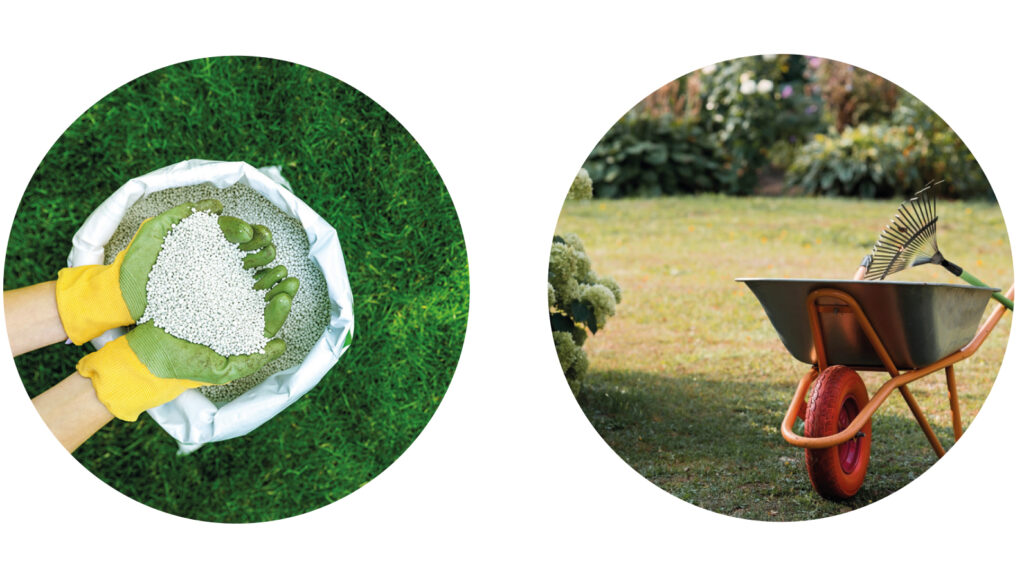
Feed your lawn. Feeding now will provide benefits until spring when you can add a spring feed, followed by a summer feed.
Remove Dead Plants. Clear out any dead or diseased plants to prevent pests and diseases from overwintering.
Cut back perennials and remove dead plants. Cut back perennials to promote healthy growth next spring. Leave some foliage for winter interest and wildlife shelter if you can. Lift and divide overgrown perennials, the new divisions can provide you with several new plants for another area in the garden.
Collect autumn leaves. You can compost these to be used later as a mulch. Leave the odd pile of leaves at the back of a border or under a hedge as these provide great shelters for insects and small mammals. Do leave your wildlife leaf piles over the crowns of herbaceous perennials or on damp grass as it can promote plant rot and bare patches on the lawn. .
Weed the garden. Pull out weeds to reduce competition for nutrients next season and give yourself a head start next spring.
Prepare the soil. Add compost or mulch to enrich the soil in your borders and beds.
Prune trees and shrubs. Prune back any overgrown trees and shrubs to maintain their shape and health. However, don’t prune plants that produce their blooms on old wood, such as Rhododendron, Malus/Crab Apple, Azalea, Lilac or Forsythia. You can plant bare-rooted trees or hedging form November till March, but it’s worth protecting exposed evergreens for their first couple of years. Snow is less of a problem than continuously low ground temperatures or water-logged soil.
Protect Plants. Mulch around sensitive plants for winter protection. Consider covering very tender plants with horticultural fleece or move these into a glass house/shelter. Dig up annual bulbs for reuse, dry for a few days, then store in labelled paper bags or nets and keep in a dry, cool place.
Clean your garden tools. Wipe clean and disinfect your tools to prevent the spread of diseases. Sharpen your tools and lawnmower blades, drain hoses and water features and store your garden furniture and clean out and organise sheds and greenhouses, so you’re ready for spring.
Plan for next year. Put your feet up, get a pile of plant catalogues and plan changes to your garden and organise projects for next year.